
Red light and inflammation: turning the background noise down
Some people don't have one injury. Everything is just a little sore, a little puffy, a little slow to heal. You feel it in the morning stiffness and the workouts that take three days to recover from instead of one.
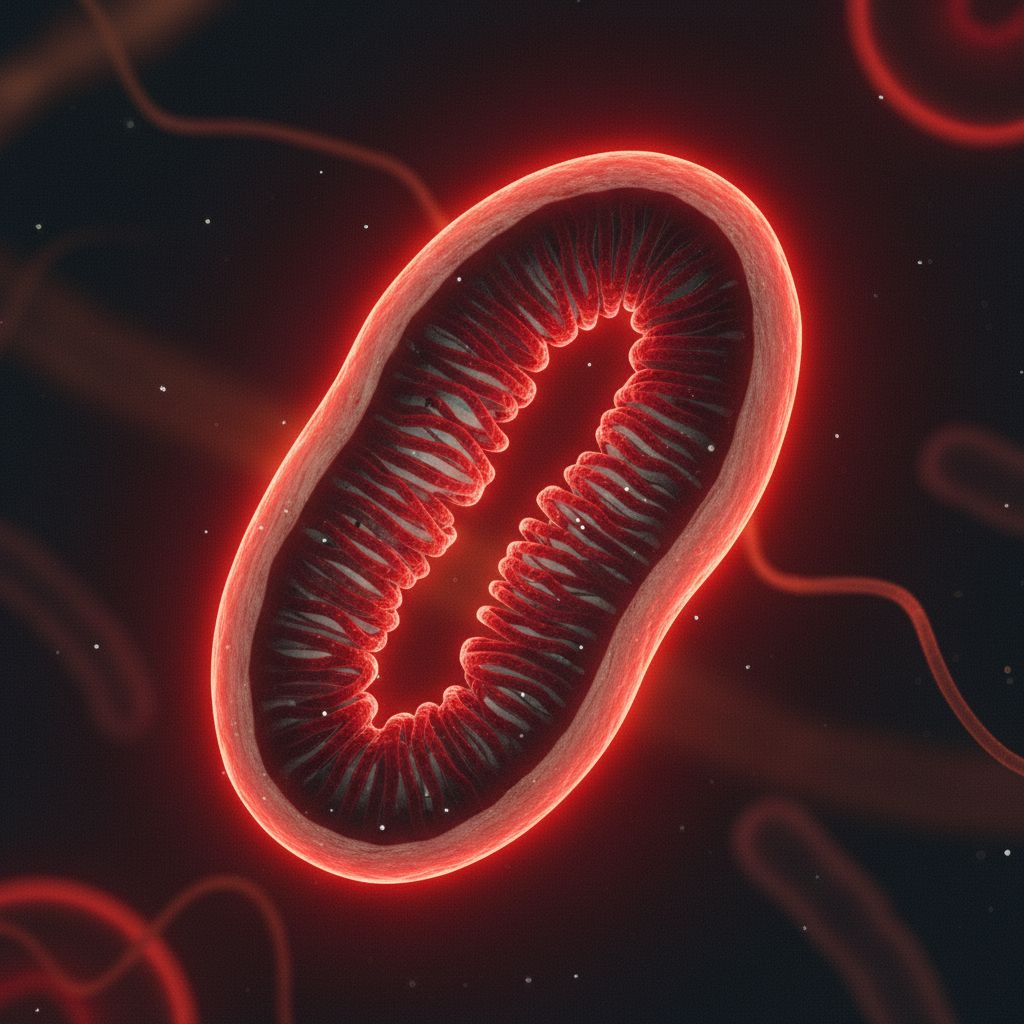
That's the territory of chronic low-grade inflammation, and it's where red light does some quiet, well-documented work. Cells under inflammatory stress don't make energy well, and tissue that can't make energy can't repair itself. Red and near-infrared light work at exactly that level. Studies show shifts in inflammatory markers and better circulation with consistent sessions.
What it won't do
Light won't cancel out a rough diet or four hours of sleep, and it is not a treatment for autoimmune disease. What it does is give your cells a better environment to do their own repair work. Think of it as lowering the background noise so your body can hear itself again.
Inflammation and a stressed nervous system also feed each other, which is why some people pair red light sessions with chiropractic care. Calm the system and the tissue at the same time.
How is this different from icing?
Ice is for the first day after a sprain. It numbs and slows everything down. Light is for the weeks after, when you want tissue to have more energy to repair, not less.
How often should I come?
Two or three sessions a week for a month is a fair trial. Then judge by the mornings: less stiffness and quicker recovery are your signals.
Will it help my autoimmune condition?
It's not a treatment for autoimmune disease, and I won't pretend otherwise. Keep working with your doctor. Some patients with these conditions tell us regular sessions make them more comfortable, and that's the honest ceiling of that claim.
More ways we can help.
Chiropractic Care
Precise, gentle adjustments guided by Torque Release analysis.
Pediatric Care
Gentle care for growing nervous systems.
Prenatal Care
Webster-certified care through pregnancy and delivery.
PEMF & HEIT
Deep magnetic stimulation that reaches what hands cannot.
Spinal Decompression
Gentle space for discs and nerves to heal.
Personal Injury Care
Care that helps your body stand down after an accident.
Escape The Matrix